What if you didn’t have to choose between getting stronger and improving flexibility? Pilates and strength training really are a match made in heaven. While one focuses on control, alignment, and mobility, the other develops muscle, power, and resilience. When combined, they can help improve posture, reduce injury risk, and create a stronger, more balanced body. Helping you feel and move better.
Historically, the fitness world has pushed us to pigeon hole ourselves into one form of exercise, whether that be lifting for strength, Pilates for flexibility, or cardio for endurance. However, modern research consistently highlights that the most effective path to health involves a diverse combination of movement styles rather than adhering to just one. The combination of various movement patterns helps to create an efficient, adaptable and healthy body.

Pilates
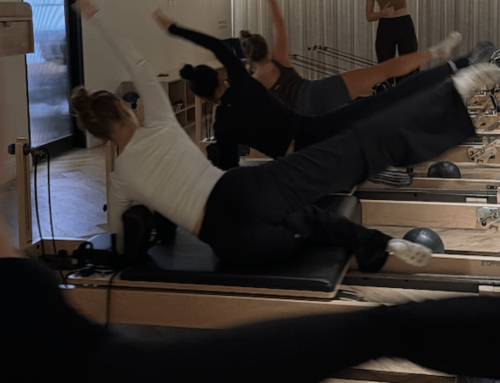
Pilates is a form of exercise that emphasizes controlled movements, core stability, posture, breathing, and body awareness. Developed by Joseph Pilates in the early 20th century, it has become a popular workout for people of all ages and fitness levels. From beginners to athletes, this form of training really does compliment anyone and everyone.
Some key benefits include:
- Improved core strength: Strengthens the deep muscles of the abdomen, lower back, hips, and pelvis (deep stabilising muscles such as transverse abdominis, pelvic floor and multifidus)
- Better posture: Helps align the spine and reduce postural imbalances. Increased flexibility: Encourages a greater range of motion in joints and muscles.
- Enhanced balance and coordination: Develops body control and movement efficiency.
- Reduced risk of injury: Improves movement patterns and muscular stability.
- Lower back support: Can help reduce some types of back pain when performed appropriately. Important to support heavy loads/lifts.
- Stress reduction: The focus on breathing and mindful movement can be calming.
When you strengthen your core, improve joint stability and become more aware of your movement patterns, you’re often able to perform strength exercises with better technique and confidence.
For many people, Pilates also provides something that’s often missing from traditional gym programs: mobility, balance and mindful movement.
Strength Training
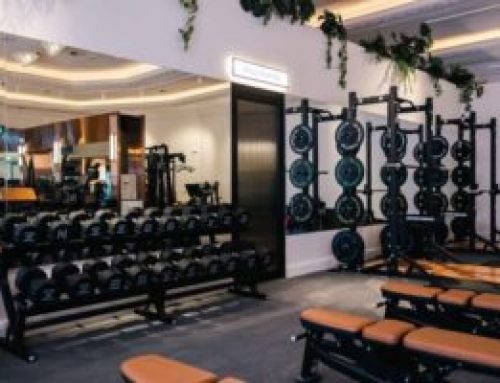
Strength training involves exercising muscles against resistance, such as weights, resistance bands, machines, or bodyweight exercises. Its primary goal is to increase muscular strength, endurance, and overall physical performance.
Key benefits include:
- Increased muscle strength: Makes everyday activities easier and improves athletic performance.
- Preservation and growth of muscle mass: Especially important as we age.
- Improved bone density: Helps reduce the risk of osteoporosis and fractures.
- Higher metabolic rate: Muscle tissue burns more energy than fat tissue, even at rest.
- Better insulin sensitivity: Supports blood sugar regulation.
- Improved joint health: Strengthens the muscles that support joints.
- Enhanced functional fitness: Improves lifting, carrying, climbing stairs, and other daily movements.
- Greater confidence and mental well-being: Many people experience improved mood and self-efficacy.
Research from Harvard University found that adults who performed around 90–120 minutes of strength training each week had a 13% lower risk of premature death compared to those who didn’t do any resistance training. The same study found a 19% reduction in cardiovascular-related deaths and a 27% reduction in deaths linked to neurological diseases.
Even more interesting? The biggest benefits were seen when strength training was combined with other forms of exercise rather than performed on its own.
Despite these benefits, only around 4 in 10 Australian adults meet the recommended guidelines for muscle-strengthening activities.
In other words, strength training is one of the most effective things we can do for long-term health, yet many of us still aren’t doing enough of it.

Combining Both Pilates & Strength
Many people focus on either building strength or improving flexibility and mobility. However, combining Pilates and strength training can provide a well-rounded approach to health and fitness that delivers benefits far beyond what either method can achieve alone.
Pilates and strength training complement each other perfectly. Pilates focuses on movement quality, stability, flexibility, and posture, while strength training builds muscle, power, and resilience.
When combined, they can help:
- Improve overall strength and stability
- Enhance athletic performance
- Reduce the risk of injury
- Increase flexibility and mobility
- Support better posture and movement patterns
- Promote long-term health and independence
The World Health Organization recommends adults complete muscle-strengthening activities at least twice per week alongside regular physical activity. Just two strength sessions each week can provide significant health benefits, especially when combined with other forms of movement.
Pilates can be an excellent way to complement those strength sessions while giving your body a chance to recover from heavier training days.
A realistic weekly routine might look like:
- 2 strength training sessions
- 2 Pilates classes
- Regular walks throughout the week
That’s enough to improve strength, mobility, balance and overall wellbeing without spending your life in a gym.
The Ultimate Takeaway
Pilates and strength training aren’t competing workouts, they’re complementary ones.
Strength training helps you become stronger. Pilates helps you move better.
When combined, they create a balanced fitness routine that supports everything from posture and flexibility to muscle mass, bone health and longevity.
If your goal is to feel stronger, move better and stay active for years to come, consider this your sign to do both!